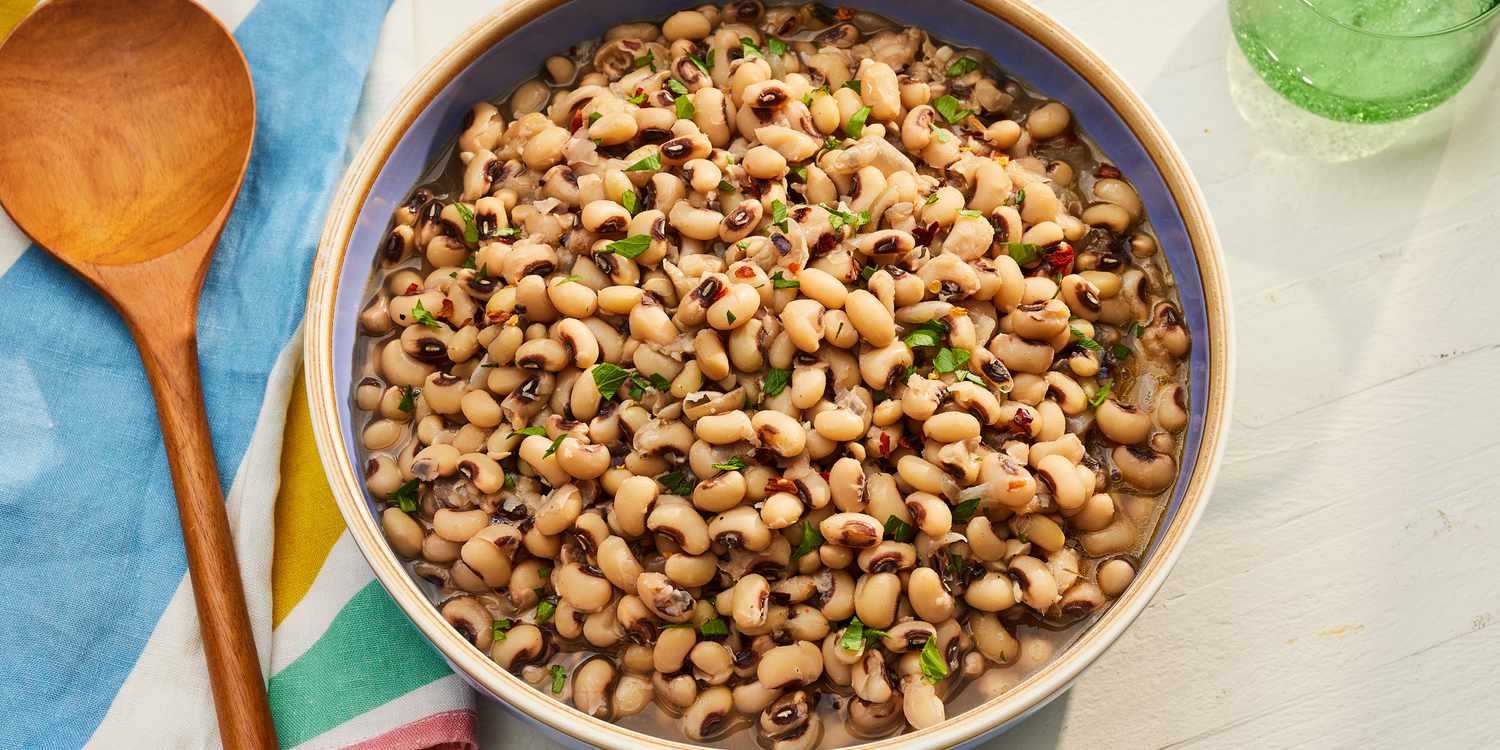
Embrace Good Fortune: Your Easy Southern Black Eyed Peas Recipe for the New Year
As the calendar turns, there's a timeless tradition that brings warmth, flavor, and the promise of good luck to tables across the American South and beyond: a humble bowl of black eyed peas. More than just a delicious legume, these little gems are steeped in cultural significance, believed to usher in prosperity and fortune for the year ahead. If you're looking to start your New Year with a tasty tradition and a hopeful heart, you've come to the right place. This comprehensive guide will walk you through an incredibly easy and versatile
black eyed peas recipe, cooked from scratch using dried peas, allowing you to create a dish that's rich in flavor, history, and good vibes.
Forget complicated steps or overnight soaking – our method focuses on simplicity and superior taste. Whether you prefer a creamy, smoky side dish that melts in your mouth or perfectly tender peas ready for vibrant salads and dips, this recipe has you covered. Let's dive into the delicious world of black eyed peas and invite good fortune into your kitchen!
The Enduring Charm of Black Eyed Peas: A Symbol of Good Fortune
The tradition of eating black eyed peas on New Year's Day is deeply ingrained in Southern culture, often alongside collard greens (representing money) and cornbread (symbolizing gold). This custom dates back to the Civil War, when Union soldiers left Confederate food stores untouched, save for the black eyed peas and salted pork, which were then considered animal fodder. For Southerners facing starvation, these neglected provisions became a symbol of survival and good luck, particularly after the Emancipation Proclamation on January 1, 1863, when formerly enslaved people celebrated their new freedom with what little they had. The peas themselves, small and round, are often thought to resemble coins, reinforcing their association with financial prosperity.
While Hoppin' John, a classic dish featuring black eyed peas, rice, and pork, is perhaps the most famous New Year's Day meal, the versatility of this legume extends far beyond one tradition. Surprisingly, black eyed peas aren't peas at all; they're beans, part of the broader legume family that includes black beans and chickpeas. Their origins trace back to Africa, where they have been a staple food for centuries, making their culinary journey truly global. This means while they hold a special place in Southern American cuisine, they are enjoyed in diverse ways across continents. Our
black eyed peas recipe honors this rich heritage while providing modern, accessible cooking methods.
Your Versatile Black Eyed Peas Recipe: Two Delicious Paths
One of the greatest advantages of cooking dried black eyed peas is the incredible control you have over their texture and flavor. Our easy
black eyed peas recipe is designed to be highly adaptable, guiding you to create two distinct, yet equally delicious, outcomes. Choosing to cook from dried instead of relying on canned versions not only offers a superior taste experience but is also significantly more economical.
1. Creamy, Smoky & Comforting Side Dish
This version is the epitome of comfort food – a deeply flavorful, rich, and naturally creamy side dish that's perfect for a New Year's Day feast or any cozy meal. Here, the peas are cooked until very tender, almost to the point of breaking down, creating a luscious, thick sauce directly in the pot.
The secret to its irresistible flavor lies in a carefully balanced blend of aromatic spices. Smoked paprika is a non-negotiable ingredient, lending a profound depth and warmth that mimics the smoky notes often achieved with bacon, making this a fantastic option even without meat. Fresh garlic, onion powder, and dried oregano round out the profile, creating a symphony of savory notes. A touch of butter stirred in at the end takes the creaminess and richness over the top, making this side dish truly unforgettable. It’s perfect served alongside cornbread, collard greens, or as a bed for roasted meats or vegetables.
2. Perfectly Tender for Salads & Dips
If your culinary goals lean towards lighter fare or meal prep, this preparation will be your go-to. For salads, dips, or other recipes where the peas need to hold their shape, they are cooked just until tender but still firm. This shorter cooking time ensures they remain intact, offering a delightful texture that adds body and substance to a variety of dishes.
Think vibrant Texas caviar, a zesty black eyed pea salad with corn and bell peppers, or even as a robust addition to grain bowls and wraps. Once cooked to this al dente stage, they are drained and ready to be incorporated into your favorite cold preparations. This method highlights the natural, earthy flavor of the black eyed peas, making them a fantastic canvas for various seasonings and dressings.
For more detailed guidance on these two fantastic approaches, explore our companion article:
Master Easy Black Eyed Peas: Two Ways for Creamy Sides or Salads.
Mastering the Stovetop Method for Dried Black Eyed Peas
Cooking dried black eyed peas on the stovetop is surprisingly straightforward and incredibly rewarding. You don't need any special equipment, just a good pot and a little patience.
No Soaking Required: A Time-Saver!
One of the best pieces of news about this
black eyed peas recipe is that *no overnight soaking is required*. Modern dried beans, including black eyed peas, are typically processed in a way that makes pre-soaking largely unnecessary, especially for stovetop cooking methods. This saves you planning time and allows for a more spontaneous cooking experience, perfect for those last-minute New Year's resolutions! Simply give your peas a good rinse before cooking.
The Basic Stovetop Steps:
Here’s how to cook your dried black eyed peas to perfection:
1.
Rinse the Peas: Start with 1 pound of dried black eyed peas. Place them in a colander and rinse thoroughly under cool running water, picking out any small stones or debris you might find.
2.
Combine Ingredients: Transfer the rinsed peas to a large, heavy-bottomed pot or Dutch oven. Add 6-8 cups of vegetable broth (or water, though broth adds more flavor) and 1 teaspoon of salt. Bring the mixture to a boil over medium-high heat.
3.
Simmer: Once boiling, reduce the heat to low, cover the pot, and let it simmer gently.
*
For Salads & Dips (Just Tender): Cook for 40 to 50 minutes. The peas should be tender when bitten but still hold their shape. Drain any excess liquid and they're ready for your recipes.
*
For a Creamy Side Dish (Very Tender & Saucy): Continue cooking for 55 to 60 minutes, or even up to 70 minutes. The peas should be very tender, starting to break down, and there will be a good amount of liquid remaining in the pot.
4.
Add Flavor Boosters (for Creamy Side Dish): At the end of the cooking time for the creamy version, stir in:
* 2-3 cloves minced garlic
* 1 teaspoon smoked paprika (absolutely essential for that smoky depth!)
* 1/2 teaspoon dried oregano
* 1/2 teaspoon onion powder
* 1-2 tablespoons unsalted butter (for extra richness)
5.
Achieve Creaminess: Stir vigorously for a few minutes. As you stir, the very tender peas will naturally break down further, and the remaining starchy liquid will emulsify with the added butter and spices, transforming into a rich, creamy sauce. If the sauce is too thick, add a splash more broth or water until desired consistency is reached. Taste and adjust salt and pepper as needed.
Quick & Creamy: The Instant Pot Advantage
For those who love the convenience and efficiency of modern kitchen gadgets, your Instant Pot or pressure cooker is an excellent tool for preparing black eyed peas. It dramatically cuts down on cooking time and often results in an even more uniformly tender and creamy pea, thanks to the high-pressure environment. It's a truly hands-off method that allows you to focus on other aspects of your meal. The principle remains the same – whether you're aiming for a firm texture or a creamy indulgence, the Instant Pot delivers.
For a dedicated Instant Pot guide, be sure to check out our detailed instructions:
No-Soak Dried Black Eyed Peas: Creamy Stovetop or Instant Pot.
Essential Tips for the Best Black Eyed Peas
To ensure your black eyed peas are nothing short of spectacular, keep these actionable tips in mind:
*
Quality Broth Matters: While water works, a good quality vegetable or chicken broth will infuse your peas with significantly more flavor, especially crucial for the creamy side dish.
*
Smoked Paprika is Key: Don't underestimate the power of smoked paprika. It provides a unique, savory depth that can't be replicated by regular paprika and is foundational to the "Southern" flavor profile, particularly for the creamy version.
*
Taste and Adjust: Always taste your peas towards the end of cooking and adjust seasonings. You might need more salt, a pinch of pepper, or an extra dash of smoked paprika to reach your desired flavor. A little acidity, like a splash of apple cider vinegar, can also brighten the flavors in the creamy version.
*
Don't Be Afraid of the Liquid: When making the creamy side dish, resist the urge to drain too much liquid. That starchy liquid is what combines with the broken-down peas and butter to create your rich sauce.
*
Storage & Reheating: Cooked black eyed peas store beautifully in an airtight container in the refrigerator for up to 4-5 days. They also freeze well for up to 3 months. When reheating, you might need to add a splash of broth or water to restore moisture and consistency.
*
Serve with Style: For the New Year's tradition, always serve your creamy black eyed peas with a side of freshly baked cornbread and some braised collard greens for the full good luck trifecta!
Conclusion
Whether you're deeply rooted in the traditions of the American South or simply looking for an easy, delicious, and nutritious meal, this
black eyed peas recipe offers something for everyone. From the creamy, smoky indulgence of a comfort food side to the firm, versatile texture perfect for salads and dips, cooking black eyed peas from dried unlocks a world of flavor and possibility. Embracing this beloved legume is not just about enjoying a fantastic meal; it's about connecting with a rich cultural history and inviting good fortune into your home as you embark on a new year. So gather your ingredients, follow these simple steps, and savor the taste of tradition and the promise of prosperity. Happy cooking, and here's to a lucky New Year!